
The Step-by-Step Guide to Tooth Extraction Procedures
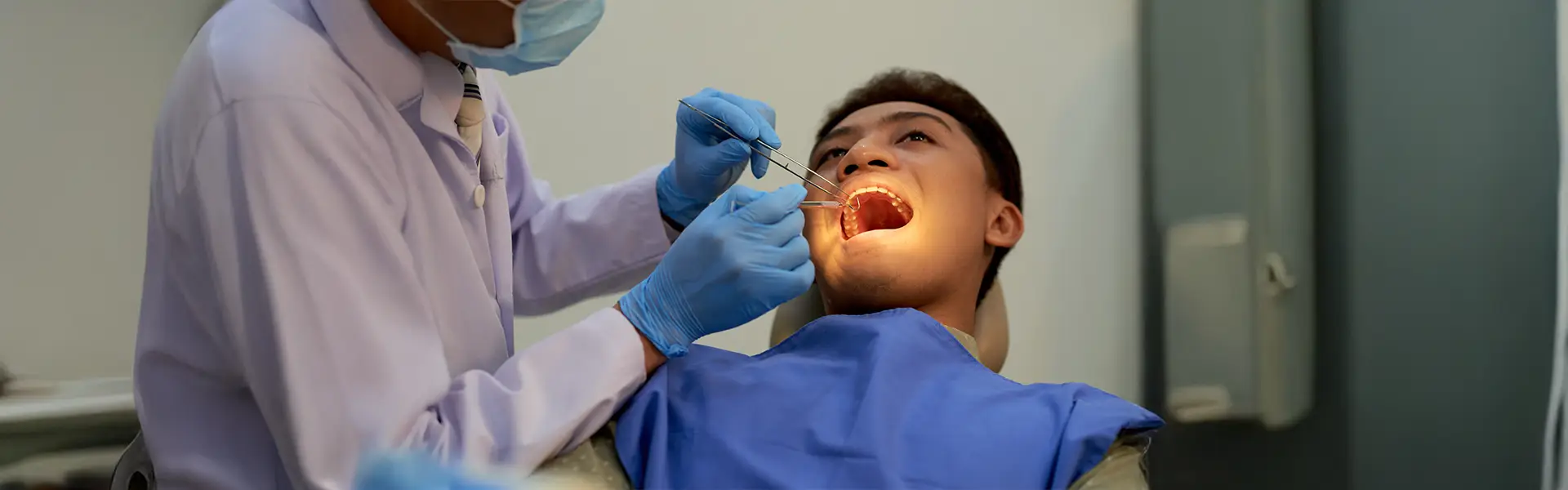
If you’re searching for a tooth extraction dentist in Durham, you may be wondering what happens during a tooth extraction and how long recovery takes. Whether it’s a:lto oose toothe th or an impacted molar, the goal is simple, protect surrounding tissue, remove the tooth carefully, and plan for future replacement if needed. A dentist focuses on keeping you comfortable while ensuring your mouth stays healthy and ready for long-term function.
Preparing for a Tooth Extraction
The appointment opens with digital X-rays, a short health review, and a conversation about what’s been bothering you. Share your medical history, allergies, and medications,especially blood thinners or supplements that affect healing. Eat a light meal unless sedation is scheduled, arrange a ride if anesthesia is deeper than local, and wear something comfortable.
If you found this page while searching for a dentist near me, expect your dentist to explain anesthesia options, timing, and aftercare before anything begins. Bring questions,your team wants you to know exactly what to expect, not just what to do afterward.
Types of Tooth Extraction
- Simple Extraction: Used when a tooth is fully erupted and visible above the gumline. Local anesthetic keeps the area numb, and gentle movement loosens the tooth for removal.
- Surgical Extraction: Needed for broken or partially trapped teeth. A tiny incision may expose bone or roots, and the tooth can be sectioned into smaller pieces to remove it safely.
- Wisdom Tooth Extraction: Often surgical, especially when the tooth is angled or covered by gum tissue. Your dentist in Durham reviews X-rays carefully to plan for comfort, healing: and minimal swelling.
Each type follows the same goal,controlled removal with as little trauma to nearby tissue as possible.
The Tooth Extraction Procedure Step-by-Step
- Numbing and Comfort Check: A topical gel comes first, followed by local anesthetic. The dentist checks sensation before continuing.
- Loosening the Tooth: A slim tool called an elevator gently expands the ligament space, allowing the tooth to move without force.
- Tooth Removal: With slow, steady pressure, the tooth is lifted from its socket. Surrounding bone is preserved for smooth healing.
- Site Cleaning: The area is rinsed, and any sharp bone edges are softened. In some cases, small dissolvable stitches close the site.
- Gauze and Pressure: You’ll bite on gauze to control bleeding. Your dentist provides replacements and shows when to change them.
- Aftercare Review: Before you leave, you’ll get written and verbal instructions covering pain rel; ef, oral hygiene, diet, and follow-up.
Pace matters here,the process feels steady and measured, never rushed.
Post-Extraction Care
- Bleeding Control: Keep firm pressure on the gauze for about 30–45 minutes. Mild pink spotting afterward is normal.
- Pain Relief: Use over-the-counter pain medicine as directed. Cold compresses (15 minutes on, 15 off) reduce swelling for the first day.
- Oral Hygiene: Skip vigorous rinsing on day one. Starting the next day, rinse gently with warm salt water after meals, and brush carefully near the site.
- Diet: Stick with soft, cool foods like yogurt, eggs, and mashed potatoes. Avoid straws, alcohol, and hot or crunchy foods that can disturb the clot.
- Activity: Rest after your procedure. Skip strenuous workouts and heavy lifting for the first 48 hours to lower the risk of bleeding.
- Call the Office If: Pain worsen s after day three, swelling spikes, or bleeding won’t slow,these signs may need a quick check.
Aftercare helps protect the clot, which is essential for smooth healing.
Recovery Timeline
- First 24 Hours: Swelling begins; keep your head elevated and use ice as directed.
- Days 2–3: Peak tenderness. Switch to warm compresses if muscles feel stiff.
- Days 4–7: Gums start to close. You can usually return to work and normal routines.
- Weeks 2–4: Soft tissue seals the socket. If stitches were placed, they often dissolve during this stage.
- Weeks 6–12: The bone underneath rebuilds. If you’re planning a bridge, denture, or implant, your dentist will schedule the next step once healing looks solid.
Healing speeds vary by age, general health, and how closely you follow home instructions.
Small Tips That Help
- Sleep with your head slightly raised for two nights.
- Use a soft toothbrush near the area until tenderness fades.
- Stay hydrated and maintain gentle hygiene even if brushing feels awkward.
Final Thoughts
Tooth removal is a planned and careful process focused on keeping you healthy and setting up long-term oral stability. With the right preparation and aftercare, most people recover comfortably within a week. Your dental team will guide you through every phase, answer questions as they come up, and help prevent complications. When you’re ready to move forward with treatment or discuss tooth replacement options, Vanyo Dentistry offers compassionate, step-by-step care tailored to your comfort and recovery goals.